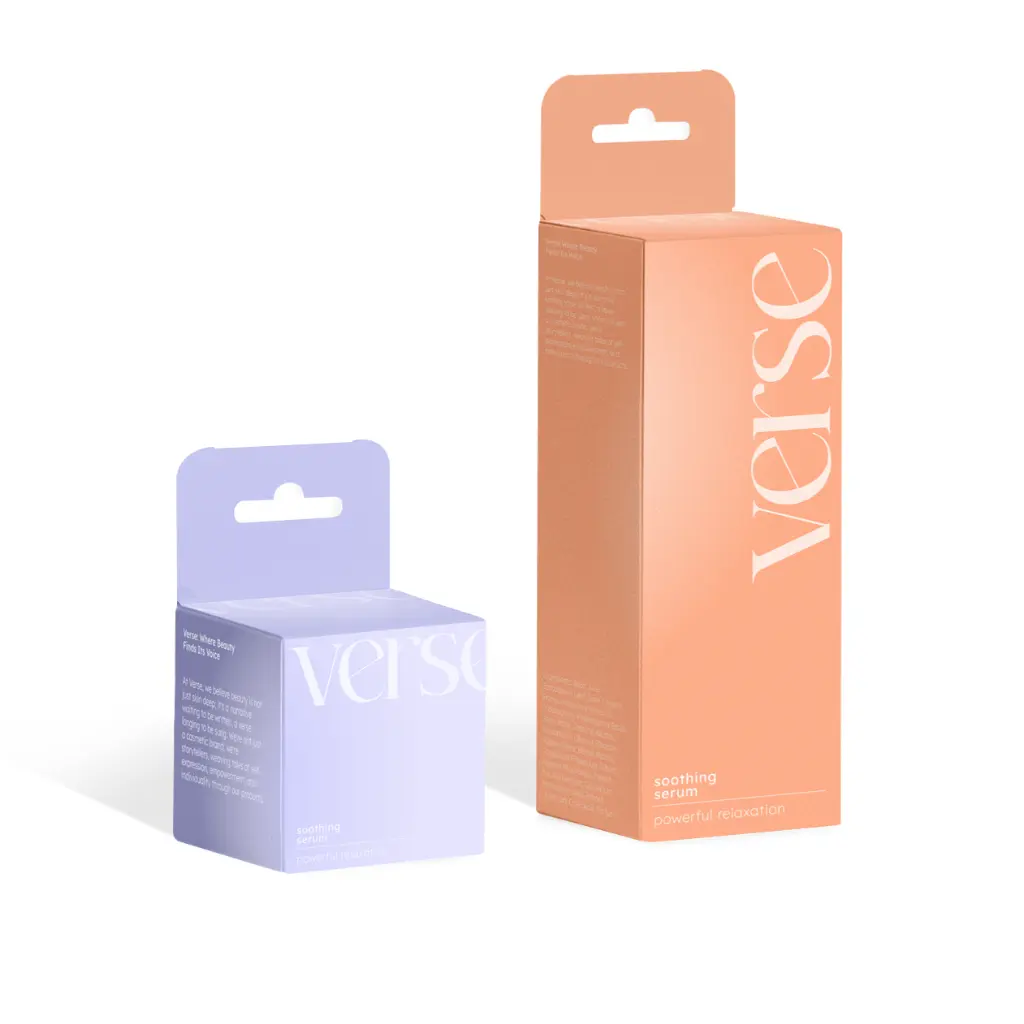

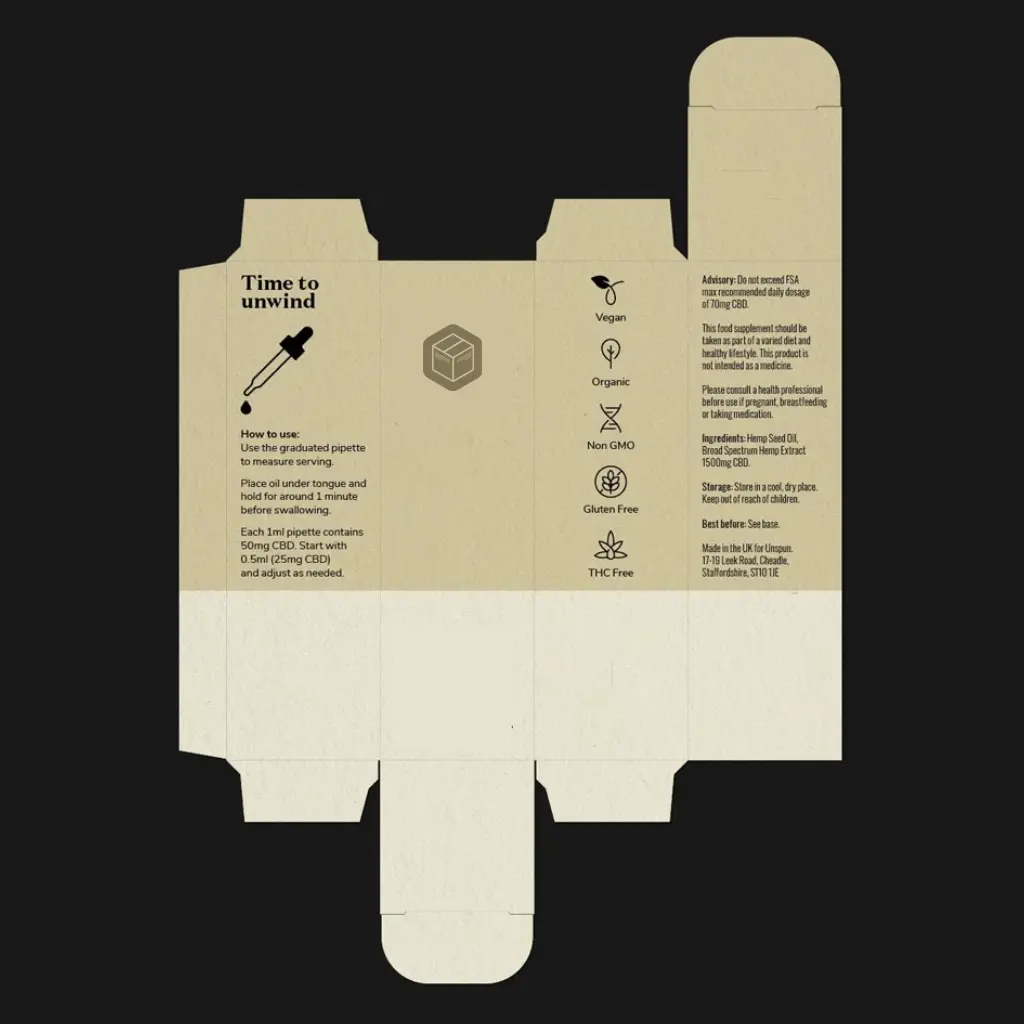
In the hyper-competitive USA retail ecosystem, prime horizontal shelf space is a finite and costly commodity. To maximize profitability per square foot, brands must exploit vertical real estate. Pegboards, endcaps, clip-strips, and checkout-aisle Point-of-Purchase (POP) displays allow you to merchandise high-margin impulse items directly at consumer eye level. However, suspending a product introduces strict mechanical requirements: your packaging must possess the tensile strength to resist gravity while remaining highly cost-effective at mass-production volumes.
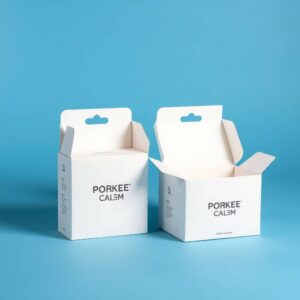
At Pack Printers, we manufacture structurally fortified, precision-die-cut Custom Reverse Tuck Boxes with Hanger Tabs. By merging the packaging industry’s most material-efficient folding architecture with reinforced hanging panels, we deliver a high-visibility retail solution. We protect your payload, dominate the planogram, and fiercely protect your profit margins.
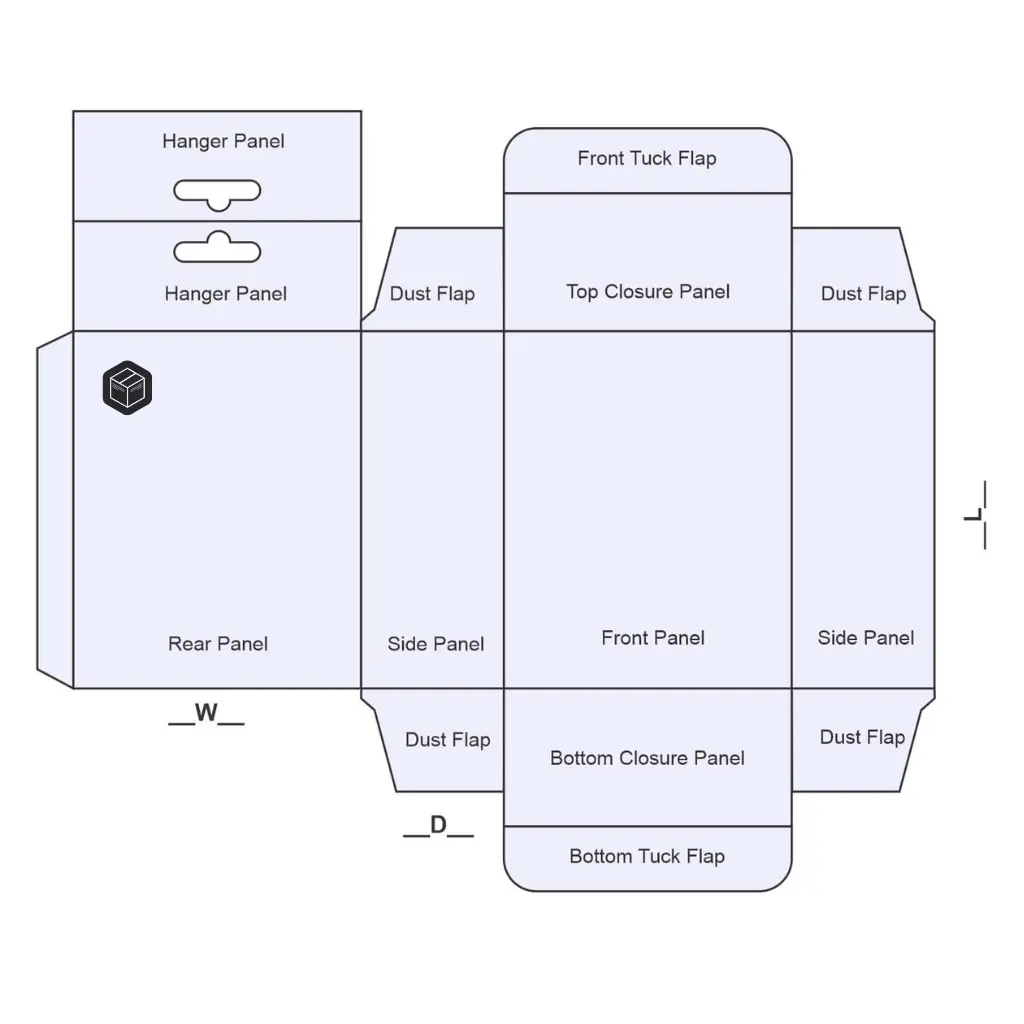
When evaluating Folding Box Styles for suspended retail display, the Reverse Tuck End (RTE) is the undisputed champion of mass-market economics. The defining characteristic of the RTE is its alternating closure system: the top lid tucks toward the rear of the box, while the bottom floor tucks toward the front.
This specific geometry provides a massive manufacturing advantage known as dieline nesting. Because the top and bottom flaps offset one another, Reverse Tuck End flat dielines can be interlocked tightly together on the master printing sheet. This dramatically reduces paperboard waste, allowing us to yield more boxes per sheet and significantly lower your cost-per-unit on high-volume runs.
| Architectural Feature | Reverse Tuck End (RTE) | Straight Tuck End (STE) | Strategic Impact |
| Flap Orientation | Top folds back, bottom folds forward. | Both top and bottom fold back. | RTE requires alternating assembly motions; STE offers uniform closure. |
| Material Efficiency | Exceptional. Highly nestable on press sheets. | Moderate. Flaps create more dead space on the sheet. | RTE delivers a significantly lower cost-per-unit at high volumes. |
| Front Panel Aesthetic | Features a visible cut-line at the bottom floor edge. | Completely seamless front panel. | STE is preferred for ultra-luxury; RTE dominates mass-market retail. |
| Window Patching | Bottom flap may catch on internal plastic films. | Interference-free window patching. | STE is superior if a large, floor-to-ceiling clear window is required. |
A failing hanger tab results in product damage and retail unsaleables. The extended hanging panel is a highly stressed structural element that must manage both the dead weight of your product and the kinetic friction of consumers aggressively pulling the box off the peg.
We do not simply punch a hole in the board; we utilize precision steel-rule dies to cut standardized hanging profiles that comply with strict USA retail planogram requirements.
| Hanger Tab Profile | Die-Cut Geometry & Dimensions | USA Retail Standard Application | Load Capacity (Est.) |
| Sombrero Hole (Euro-Slot) | Bell-shaped: 1.25″ wide base tapering to a top arch. | The universal standard. Slides seamlessly onto double-prong or single-prong wire hooks without tilting. | High (Provides lateral stability) |
| Standard Round Hole | Circular cutout: Typically 0.25″ to 0.375″ in diameter. | Cosmetics, vape cartridges, and small tech cables displayed on thin, single-prong hooks. | Low to Medium |
| Delta Hole (Triangle) | Flat-bottom triangle with a 0.5″ rounded top apex. | Heavy hardware, automotive tools, or dense electronics requiring ultra-secure hanging. | Very High |
| J-Hook Cutout | Open-ended side hook (0.5″ opening). | Convenience stores and grocery clip-strips for rapid, thread-free employee restocking. | Medium |
Gravity is unforgiving. If your paperboard lacks the required caliper (thickness) or if the paper grain is improperly aligned, the hanger tab will buckle under the product’s weight. We apply advanced material science to prevent structural failure on the retail peg.
The Golden Rule of Suspension: Vertical Grain Orientation. We meticulously calibrate our dielines so the natural grain of the paperboard runs vertically through the hanger tab. Horizontal grain alignment leads to immediate tear-outs. Vertical alignment utilizes the continuous strength of the paper fibers to resist downward force.
| Paperboard Material | Caliper (Thickness) | Tensile Strength Profile | Best Retail Application |
| Standard SBS (Solid Bleached Sulfate) | 16pt – 18pt | Standard. Good for lightweight suspended items. | E-liquids, lip balms, lightweight cosmetics, and small apparel accessories. |
| Heavyweight SBS | 24pt – 28pt | High. Exceptional rigidity and tear resistance. | Skincare regimens, dense tech accessories (chargers, cables), and bottled supplements. |
| CCNB (Clay Coated Newsback) | 18pt – 24pt | High. Extremely durable, utilizing recycled inner fibers. | Mass-market hardware, discount retail, automotive parts, and heavy pharmaceuticals. |
| Kraft Board (Unbleached) | 18pt – 24pt | Very High. Interlocking raw fibers provide immense strength. | Artisan soaps, organic cosmetics, eco-friendly goods, and heavy natural supplements. |
| PET-Laminated Board | 18pt + PET Film | Indestructible. Film acts as invisible reinforcement tape. | Extremely dense payloads, metal machine parts, or glass vessels that cannot risk a drop. |
Products on a pegboard compete in highly saturated, visually noisy aisles. Your packaging must serve as a silent salesperson, communicating brand value in a fraction of a second. We utilize high-speed commercial offset lithography and advanced prepress finishing to ensure your packaging commands attention.
| Embellishment Technique | Visual / Tactile Effect | Strategic Brand Impact |
| Die-Cut PET Windows | Provides a clear, rigid viewing pane into the box. | “Show, don’t tell.” Builds instant consumer trust by revealing the physical product. |
| Hot Foil Stamping | Presses brilliant metallic (gold/silver/copper) foils into the board. | Catches harsh overhead retail lighting, instantly elevating the perceived luxury of the product. |
| Spot UV Varnish | Applies a raised, high-gloss clear coat to specific graphics. | Creates striking visual and tactile contrast, guiding the consumer’s eye to the logo or product name. |
| Soft-Touch Lamination | Coats the box in a micro-thin, matte “peach-fuzz” film. | Delivers a premium, velvety tactile sensation that compels the consumer to keep holding the box. |
Hanging products are highly susceptible to “grazing” or retail theft. Furthermore, high-volume packaging must be easy for your fulfillment team to assemble.
Friction & Slit-Lock Security: To prevent bottom blowouts, we engineer specialized “slit-locks” into the bottom reverse tuck flap. These mechanical notches lock tightly into the side dust flaps, securing the floor without the need for messy glue or tape.
Tamper-Evident Wafer Seals: For high-theft retail environments, we recommend applying clear, perforated wafer seals over the top and bottom tuck flaps, ensuring the product cannot be opened in-store without visible destruction.
Knocked Down Flat (KDF) Shipping: All Reverse Tuck End boxes are shipped completely flat. The long manufacturer’s side-seam is pre-glued at our facility. This drastically reduces your inbound freight costs and maximizes warehouse pallet space. Your team simply pops the box open, locks the bottom, loads the payload, and tucks the top lid.
Do not overspend on inefficient packaging architecture, and do not trust your payload to flimsy hanger tabs that tear under pressure. Partner with Pack Printers to manufacture structurally fortified, visually stunning custom reverse tuck boxes with hanger tabs that secure premium retail placement, accelerate your fulfillment lines, and fiercely protect your profit margins.
Free Design Support
Free Custom Box Dieline
Free Shipping